Golders Hill Park event rubbish cleanup plan
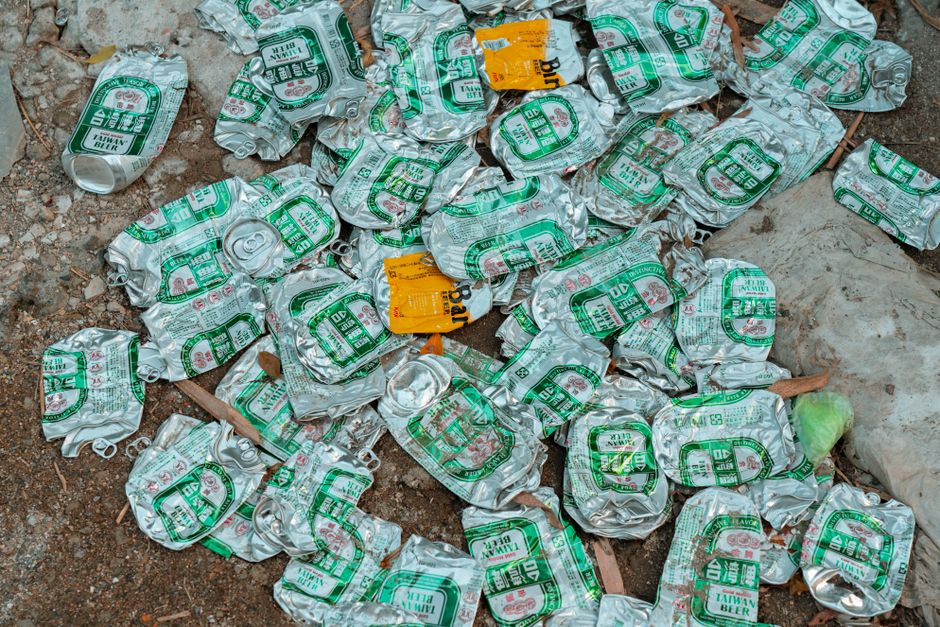
Planning an event in Golders Hill Park sounds lovely on paper: open air, happy crowds, great photos, maybe a little brass band drifting through the trees. But once the last guest heads home, there is always the same question waiting in the background: what happens to the rubbish? A good Golders Hill Park event rubbish cleanup plan is what keeps a pleasant day from turning into an awkward, messy, and frankly expensive follow-up job.
This guide breaks down how to build a cleanup plan that actually works in the real world. Not the polished version that looks good on a clipboard and falls apart by 8:15 pm. The real one. You will find practical steps, common mistakes, useful methods, compliance points, and the kind of decisions event organisers, caterers, schools, community groups, and production teams need to make before the site is handed back.
If you are responsible for an event in or around Golders Hill Park, the aim is simple: keep the space tidy, protect the park, and clear waste quickly without scrambling at the last minute. To be fair, that is easier when the plan is built early. Let's get into it.
Why Golders Hill Park event rubbish cleanup plan Matters
Golders Hill Park is the sort of place where waste stands out quickly. A few stray cups on the grass, food packaging blowing across a path, or catering waste left too long in the shade can make the whole event feel neglected. And once people notice litter, they notice everything else too. The mood changes. The park looks tired. Staff get stressed. Nobody wants that.
A thoughtful cleanup plan matters because event waste is rarely just "rubbish". It is a mix of catering leftovers, cardboard, cans, drinks bottles, disposable tableware, packaging, decor, broken items, and sometimes bulky items from staging or temporary structures. Each stream needs a slightly different approach. If you lump it all together, recycling gets harder and removal gets slower.
There is also the park itself to think about. Public green spaces need extra care because grass, paths, planting beds, and wildlife areas can be damaged by careless collection. Heavy footfall can compact soil. Loose glass can become a safety issue. Even wet food waste can attract pests if bins are left overflowing after dark. It is not dramatic stuff, just the ordinary reality of events.
Expert summary: A good event cleanup plan is not only about removing waste at the end. It is about controlling where rubbish goes during the event, who handles it, how quickly it is cleared, and what happens to recyclable or restricted items once collected.
That is why organisers often pair on-site collection with a larger removal strategy, especially when events generate mixed waste in bulk. Depending on scale, that might involve rubbish removal, a planned skip hire setup, or a more flexible solution like wait and load skip hire when space is tight. Different events, different mess. Simple as that.
How Golders Hill Park event rubbish cleanup plan Works
The best cleanup plans work in stages. First, you prevent waste from scattering. Then you collect and sort it. Finally, you remove it efficiently and leave the site looking like nothing happened apart from a few happy memories.
Most event plans for this kind of setting follow the same broad structure:
- Assess the event footprint. Where will food service, seating, staging, and guest movement happen? Waste tends to gather where people naturally pause.
- Estimate waste types. Food and drink events create different waste from fairs, community picnics, family days, or corporate gatherings.
- Place bins strategically. If bins are too hidden, people will not use them. If they are too few, they will overflow.
- Assign responsibilities. Who checks bins, swaps liners, separates recyclables, and handles unexpected overflow?
- Choose the removal method. That might be a skip, a van collection, a grab service, or a same-day uplift depending on access and volume.
- Schedule the clear-down. Some waste can go during the event, but final clear-up should be timed tightly after the last activity ends.
A practical plan also considers access. In a park setting, you may not want large vehicles driving close to sensitive areas, and you may not have the luxury of leaving containers in place all day. That is where services like grab hire services or man and van collections can be useful if you need a clean and relatively quick load-out.
Some organisers also use closed containers for public-facing events, especially where litter could be blown around or accessed by animals. An enclosed and lockable skip hire option can be a sensible choice where security or tidiness matters more than open access. Not always needed, but worth considering.
Key Benefits and Practical Advantages
A strong cleanup plan does more than keep the park clean. It reduces friction across the whole event.
- Cleaner visitor experience: guests are more comfortable when bins are visible, empty, and easy to use.
- Faster pack-down: crews know exactly what to do instead of improvising at the end.
- Better recycling outcomes: separated waste is easier to process and less likely to be contaminated.
- Lower safety risk: fewer trip hazards, broken items, and stray packaging on paths.
- Less pressure on staff: a named plan avoids the classic "who's dealing with the bins?" moment.
- Better park stewardship: you leave the space in good order, which matters for future permissions and local reputation.
There is also a reputation benefit that people underestimate. If organisers leave a park spotless, attendees notice. Staff notice. Local stakeholders notice. The whole thing feels more professional. That counts whether you are running a school fete, a food festival, a community performance, or a private celebration with catering and temporary furniture.
On the practical side, a decent waste plan can also help you choose the right disposal method. For example, if you already know the event will create a high volume of mixed waste, it may be more efficient to compare skip sizes and prices before the event rather than deciding after the bins are already overflowing. A little boring, maybe, but it saves stress. Usually.
Who This Is For and When It Makes Sense
This kind of plan is relevant to anyone responsible for event waste in a park or other green public space. In practice, that includes:
- community event organisers
- charity fundraisers
- caterers and food traders
- festival and performance crews
- schools and parent groups
- corporate event teams
- production companies handling temporary setups
- clean-up contractors brought in after the event
It makes sense whenever waste is more than a few bin bags. If there are stages, marquees, food stalls, drinks service, decorated areas, or set dressing, a casual "we will just tidy it later" approach is risky. The waste grows faster than people expect. Especially after dusk, when tired teams are keen to go home and the last thing anyone wants is a second round of bagging up soggy packaging in the cold.
If your event involves office teams or a temporary admin setup, it may also overlap with office clearance needs, particularly for printed materials, packaging, old equipment, and confidential waste. For smaller jobs, confidential shredding may also be sensible where paperwork is involved.
And if the event is tied to landscaping, outdoor displays, or a spring garden feature, do not forget green waste. Temporary displays can create branches, turf offcuts, soil, and plant material. Those are better handled through garden waste removal than mixed with general event rubbish.
Step-by-Step Guidance
Here is a clear way to build the plan from scratch.
1. Walk the site before the event
Do a proper route around the event footprint. Stand where guests will stand. Look at where bins can be placed without blocking views or walkways. Check vehicle access points, slope changes, and any areas where waste might gather naturally, like food queues, picnic edges, or exit paths.
2. Separate waste streams in advance
Do not wait until the end to decide what counts as recyclable, food waste, cardboard, mixed rubbish, or bulky waste. If the team does not know the system beforehand, everything ends up in one bag. That is human nature, really. It also makes the last hour much messier than it needs to be.
3. Decide on collection points
Place collection points where staff can reach them quickly but guests can still use them naturally. If there is catering, keep food and drink bins close to service points. If there is a performance area, place waste containers near exits where people are likely to pause.
4. Match the removal method to the site
Large, open events may suit a skip, while tighter park access may call for a grab lorry or a wait-and-load setup. For quick clearances, especially when you cannot leave a container in place, wait and load skip hire can be useful. If the load is mixed and bulky, grab lorry hire may be more practical. For straightforward event waste, rubbish removal can be the cleanest route.
5. Build the clean-down timeline
Set times for mid-event checks, final service rounds, and end-of-night removal. If bins are left until the following day, you are asking for trouble: smell, pests, windblown litter, and a bleaker-looking site at sunrise. Nobody wants that early-morning surprise.
6. Confirm disposal details
Before the event, confirm what can go where. This matters for mixed waste, electrical items, appliances from temporary catering units, or special items like sofas from lounge areas. If needed, use what can go in a skip as a practical reference, and use specialist removal pages where appropriate, such as fridge and appliance removal or mattress and sofa disposal.
One small but important point: if you are handling construction-style build materials for event infrastructure, such as timber, boards, fencing, or staging offcuts, the waste route may be closer to builders waste removal or construction waste disposal than typical park litter collections. That is a common mismatch people miss.
Expert Tips for Better Results
In our experience, the best plans are the ones that stay simple enough for tired staff to follow. Fancy systems often break down just when the event gets busy.
- Use clear labels, not clever labels. "Cans and bottles" works. "Recoverables" is the sort of wording that gets ignored.
- Keep spare liners close to each cluster. If replacement bags are a five-minute walk away, overflow starts early.
- Overestimate waste by a little. Better to have one extra collection round than a pile of bagged rubbish sat on the ground.
- Assign a named person per zone. When everybody is responsible, nobody is responsible. Classic issue.
- Protect the tidy finish. Final checks around benches, hedge lines, food service edges, and hidden corners often catch the last bits.
Another tip: use the right container type for the right kind of event. If the site is compact or access is limited, a smaller, faster solution can beat a bigger one. A public event does not need heroic waste containers; it needs the right ones in the right place. There is a difference.
For event teams dealing with mixed material types over a wider area, it can also help to combine collection methods. For example, a team might use domestic skip hire for ordinary bulk waste, then add same day skip hire when timings are tight. If security is a concern, closed containment can reduce mess and tampering. If access is the real obstacle, a direct lift solution may be the smarter call.
Common Mistakes to Avoid
Even well-run events get tripped up by the same waste problems. Here are the ones that crop up most often.
- Not enough bins. Guests will not walk far to find one, especially with food or drinks in hand.
- Putting bins in awkward places. Hidden, blocked, or overly exposed bins simply get used less.
- No plan for full bags. A full bin is not a plan. It is the start of a problem.
- Mixing bulky event items with general litter. This slows everything down and can make sorting impossible.
- Forgetting access restrictions. A vehicle may not be able to enter certain park areas at the end of the event.
- Leaving the clear-up too late. The later the collection begins, the more likely it is that people are tired and less careful.
There is also a quieter mistake: assuming the waste contractor will "just know" what you need. They will not. They can advise, of course, but they need the event profile, approximate waste mix, timings, and access details to recommend the right setup. That is where clear communication saves the day.
If you are unsure which disposal route fits your event mix, it is worth reviewing the company's pricing and quotes information alongside the relevant service pages, then planning from there instead of guessing. Guessing is expensive. Sometimes quietly so.
Tools, Resources and Recommendations
You do not need a complicated toolkit to run a clean event. You do need the right basics.
- Wheelie bins or temporary bins: good for guest-facing points and catering zones.
- Heavy-duty bin liners: essential for wet waste, packaging, and mixed rubbish.
- Gloves and grabbers: sensible for manual pickup at the end of the event.
- Label cards or signage: useful where recycling is separated.
- Barriers or discreet markers: help steer guests toward the right collection points.
- Vehicle access plan: especially important if you are coordinating a skip, van, or grab load-out.
From a service point of view, a few pages are especially worth reviewing before you make a booking:
- skip hire for straightforward bulk waste removal
- skip sizes and prices for selecting the right container size
- waste recycling services for sorting recoverable materials more responsibly
- site clearance if the event includes a full tear-down or extensive debris
- book online if you want to secure collection without back-and-forth delays
For organisers who want to keep things tidy and secure, especially where late-night pack-downs happen, the combination of a clear waste plan and the right collection method tends to beat any last-minute scramble. It is just calmer. You can hear the difference, honestly.
Law, Compliance, Standards, or Best Practice
Waste from events in the UK should be handled carefully and in line with normal duty-of-care expectations. That means you should know what is being collected, where it is going, and whether any waste needs special handling. You do not need to turn the event into a legal seminar, but you do need a sensible paper trail and competent handling.
In practical terms, event organisers should think about:
- Duty of care: waste should be transferred to an appropriate and authorised handler.
- Segregation: keeping recyclable and non-recyclable waste separate where practical.
- Hazard awareness: batteries, sharp objects, chemicals, electrical items, and contaminated items need extra care.
- Access and safety: collection points and removal vehicles should not create risks for the public or staff.
- Site sensitivity: park land needs careful vehicle movement to avoid damage to grass, paving, and planting.
Best practice also means planning for items that should never be casually mixed into general event waste. If you expect anything hazardous, contaminated, or potentially sharp, use the appropriate route and isolate it early. The same goes for anything confidential. If your event includes ticketing, admin, branded paperwork, or private files, use confidential shredding rather than dropping papers into mixed waste bags.
Health and safety should be built into the plan from the start, not added as an afterthought. A tidy site is good. A safe site is better. A tidy and safe site is the goal. If you need a baseline for internal expectations, it is sensible to review health and safety policy and insurance and safety information before confirmation of work. That may sound dry, but it protects everyone involved.
For larger outdoor events with contractors, temporary structures, or ground disturbance, the waste plan may also sit alongside builders skip hire, construction waste clearance, or demolition waste removal if set build and breakdown are substantial. That crossover happens more often than people think.
Options, Methods, or Comparison Table
There is no single best removal method for every event. The right choice depends on waste volume, access, timing, security, and whether you need separation or speed.
| Method | Best for | Strengths | Possible drawbacks |
|---|---|---|---|
| Skip hire | Bulk mixed waste, planned clear-downs | Good capacity, simple loading, useful for steady waste streams | Needs space and may need permit planning depending on placement |
| Wait and load | Sites with little room or short access windows | Fast, tidy, no container left behind | Requires good timing and organised loading |
| Grab lorry | Loose, bulky waste or larger piles after breakdown | Handy where direct lifting helps and access is workable | Less suited to highly sorted, fine-separated waste streams |
| Man and van | Smaller event clearances and flexible collections | Flexible, useful for quick removal, often a neat option for mixed bags | Not ideal for very large volumes |
| Rubbish removal | General event rubbish and immediate clear-ups | Straightforward, convenient, good when speed matters | May be less efficient for very large loads than a skip-based solution |
If you are unsure which method fits your event, compare the location, likely waste volume, and end-of-event timing before choosing. A smaller event with limited access might run beautifully with a van-based collection. A bigger one with mixed packaging and catering waste might be better served by a skip. It depends. Annoying answer, perhaps, but true.
Case Study or Real-World Example
Picture a weekend community event in the park: food stalls near one path, a small performance area on the grass, seating scattered nearby, and a handful of temporary signs, cable covers, and decorative items. The organisers expect mostly cups, plates, cardboard, and food packaging. In reality, they also end up with broken crate pieces, wet napkins, loose leaflets, and a few bulky bits from the stall setup.
Because they planned ahead, the clean-up did not become a drama. The team set bins at the food area, used separate bags for cardboard and general waste, and arranged an evening removal window. Staff made one sweep before sunset, then another after the event closed. A small grab or van collection handled the mixed load, and the site was left in decent shape before the park quieted down.
That is the kind of result you want: not heroic, just organised. The kind of finish where someone can stand back at 10:30 pm, look at the cleared grass, and feel a bit relieved. Maybe even proud. The little things matter.
In another example, a larger corporate outdoor event used sealed containers because there were branded materials, catering waste, and a need to keep the site neat through the day. A combination of enclosed and lockable skip hire plus scheduled collection gave them the control they needed. Not glamorous, but very effective.
Practical Checklist
Use this checklist when you are setting up the cleanup plan.
- Confirm event layout and waste hotspots.
- Estimate likely waste volume and waste types.
- Choose bins, bags, and collection points.
- Assign who checks bins during the event.
- Decide how recyclables will be separated.
- Choose the removal method that matches access and timing.
- Check whether any item needs specialist handling.
- Plan vehicle access and loading time.
- Prepare spare liners, gloves, and basic clean-up kit.
- Set a final sweep time after guests leave.
- Confirm disposal and handover details in advance.
- Review safety and responsibility notes before the day.
And one more, because it matters: do not leave the final sweep to the least tired person by accident. That is how hidden litter survives. Every time.
Get a free quote today and see how much you can save.
Conclusion
A strong Golders Hill Park event rubbish cleanup plan is really about calm control. It keeps waste where it should be, protects the park, supports recycling where possible, and makes the end of the event feel orderly instead of chaotic. That is what good planning does: it reduces noise, stress, and those awkward last-minute conversations nobody enjoys.
If you get the basics right early, the rest becomes much easier. Fewer surprises. Cleaner paths. Happier staff. A better finish for the event and a better impression for everyone who uses the park next.
If you are still deciding on the best waste setup, take a moment to compare your options, look at the size of the job properly, and choose a collection method that fits the site rather than forcing the site to fit the waste plan. That small shift in thinking usually pays off. And honestly, it makes the whole day feel a lot less fraught.
Clean events are remembered differently. They just are.
Frequently Asked Questions
What is a Golders Hill Park event rubbish cleanup plan?
It is a planned approach for collecting, sorting, and removing waste created by an event in or around Golders Hill Park. It covers bins, staffing, timings, disposal methods, and final site clear-down.
Why do I need a cleanup plan instead of just arranging bins on the day?
Because event waste builds quickly, and without a plan you can end up with overflowing bins, poor recycling, blocked walkways, and a slow pack-down. A proper plan makes the job easier and safer.
What type of waste is most common at park events?
Usually catering waste, food packaging, cardboard, cans, bottles, paper, disposable tableware, and mixed litter. Some events also create bulky setup waste or green waste.
Should recyclable and general waste be separated?
Yes, where practical. Separation improves recycling outcomes and can make the final clear-up cleaner. It also helps staff sort waste more confidently during busy periods.
Which removal method works best for a park event?
It depends on access, waste volume, and timing. Skip hire, wait and load, grab lorry hire, man and van, and rubbish removal all have their place. The best option is the one that fits the site and the schedule.
Do I need a permit for waste containers at an event?
Possibly, depending on where the container is placed and the local access rules. It is best to check permit requirements early so you do not discover the issue at the wrong moment.
Can I use a skip for event waste?
Yes, if the waste type and site access suit it. Skips are often useful for bulk clear-ups, but you should still check what can go in the container before loading begins.
What should I do with bulky items from staging or furniture?
Bulky items are often better handled through a planned removal service rather than mixed with small litter bags. Depending on the material, builders-style waste or furniture disposal routes may be more suitable.
How can I make sure the park is left tidy quickly after the event?
Use a clear end-of-event timetable, assign people to specific zones, keep bins from overflowing, and arrange the collection method in advance. The last sweep should be deliberate, not rushed and fuzzy around the edges.
What happens if there is hazardous waste?
Hazardous waste should be separated immediately and handled through the appropriate route. Do not mix it into general event rubbish. That includes batteries, certain chemicals, and other restricted items.
How do I plan for confidential paper waste at an event?
If your event produces documents, printed attendee records, or administrative papers that should not go in mixed waste, use confidential shredding and keep those items separate from the main clean-up stream.
What is the best way to avoid overpaying for cleanup?
Estimate the waste properly, choose the right size and method, and avoid last-minute bookings where possible. Reviewing pricing and quotes before the event helps you match the service to the job instead of guessing.
Can I book waste removal at short notice?
Sometimes, yes. Same-day or quick-turnaround options may be possible depending on availability and the type of waste involved. It is still better to plan early so the final day is not a scramble.
What is the most common mistake event organisers make?
The most common mistake is underestimating waste volume. Closely followed by poor bin placement. Both are easy to fix on paper and much harder to fix when the event is already in motion.
When you plan the cleanup properly, the event feels more professional and the park is respected as it should be. That part matters, and people do notice. A neat finish says a lot.