Hoop Lane bulky rubbish removal tips for residents
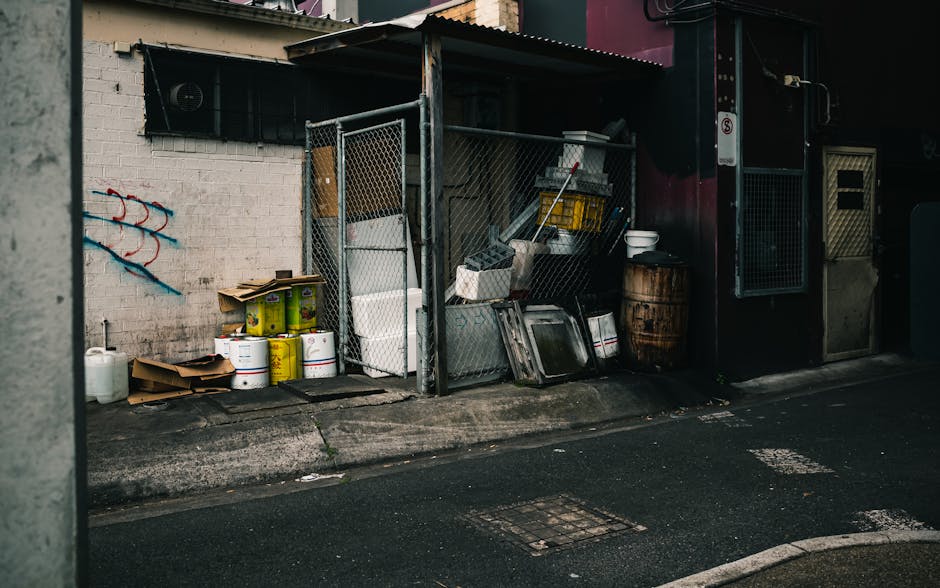
If you live near Hoop Lane and you're staring at a sofa that won't fit down the stairs, a broken wardrobe in the hallway, or a pile of old boxes that has somehow become a permanent fixture, you're not alone. Bulky waste has a habit of creeping up on residents, especially after a move, a clear-out, or a long-overdue weekend tidy. The good news is that Hoop Lane bulky rubbish removal tips for residents can make the whole job simpler, safer, and a lot less stressful.
This guide walks you through how bulky rubbish removal usually works, what to check before you book anything, how to avoid common mistakes, and which options make the most sense for different homes and loads. It's written for real people dealing with real mess, not neat little showroom scenarios. And let's face it, bulky waste is rarely neat.
For residents looking at wider home or garage clear-outs, services such as house clearance, garage and loft clearance, and mattress and sofa disposal can be useful to compare before you decide on the best route.
Why Hoop Lane bulky rubbish removal tips for residents Matters
Bulky rubbish is different from day-to-day bin waste. It takes up space fast, can be awkward to move, and often needs more thought than people expect. A single armchair or fridge can cause problems if you leave it until the last minute. A few larger items can block a hallway, create trip hazards, or make a property look untidy when you're trying to get on with life.
For Hoop Lane residents, timing matters too. Busy roads, limited drive space, shared access, and neighbours coming and going all affect how easy removal will be. If you've ever tried to manoeuvre a king-size mattress through a narrow stairwell, you'll know that one wrong turn and the wall takes the blame. Not ideal.
Good planning saves time and money, but it also makes the process safer. Heavy items can be cut, lifted, or carried incorrectly, and that's where DIY removal turns from annoying into risky. A sensible approach also helps you separate reusable items, recyclable materials, and anything that needs specialist disposal.
There's another reason this matters: bulky waste can quickly become a nuisance if it sits too long. Piles of furniture, white goods, or renovation offcuts can attract damp, clutter, and complaints from neighbours. Handling it properly keeps your home manageable and your street looking cared for. A small thing on paper, a big relief in practice.
How Hoop Lane bulky rubbish removal tips for residents Works
Most bulky rubbish removal jobs follow a fairly simple pattern. First, you identify what needs to go. Then you decide whether you want a one-off collection, a man-and-van style lift, a skip on site, or a wait-and-load arrangement where the waste is removed quickly without leaving a skip behind.
For many households, the decision comes down to three questions: how much waste is there, how heavy is it, and how fast do you need it gone? A few bulky items can often be cleared in one vehicle load. Larger, mixed loads might be better suited to rubbish removal or a domestic skip hire option, while very heavy or difficult access jobs may be easier with grab hire services.
Collection teams typically arrive, assess the load, and either take items from inside the property, from the front garden, or from a kerbside location depending on the arrangement. In some cases, especially where parking is awkward or access is tight, a wait and load skip hire arrangement makes sense because the vehicle stays only long enough to load and go. Handy on a narrow street. Not glamorous, but handy.
If you're dealing with appliances, damaged furniture, or mixed household rubbish, it's worth checking what can be accepted and what needs a separate route. The page on what can go in a skip is a useful reference point for sorting ordinary items from restricted waste.
Key Benefits and Practical Advantages
The biggest benefit is convenience, of course. You avoid multiple trips to a tip, heavy lifting into your own car, and the awkward question of where to put everything while you sort it out. But there are several other advantages that matter just as much.
- Less physical strain: Large furniture and appliances are awkward, and sometimes genuinely dangerous, to move without help.
- Faster home recovery: Clearing one room or one load at a time makes a property feel calm again.
- Better sorting and recycling: A good removal plan helps separate reusable, recyclable, and non-recyclable waste.
- Cleaner access routes: Hallways, stairs, and front paths stay clear rather than becoming storage zones.
- More predictable scheduling: A booked collection can be easier to organise than ad hoc DIY runs.
There's also a practical peace-of-mind factor. Once the removal is booked, the job stops hanging over you. That mental lift is real. People underestimate it, then call back later saying the house feels bigger after just one collection. Sounds obvious, but it's true.
If you are clearing out a loft, shed, or cluttered spare room, combining bulky waste with garage and loft clearance can save several separate arrangements. Likewise, if you're planning a larger reset, house clearance may be more efficient than dealing with each item individually.
Who This Is For and When It Makes Sense
This kind of removal is useful for a lot of residents, not just people doing major renovations. In practice, it suits anyone who has bulky items that are too heavy, too large, or too awkward for normal waste collection.
Typical scenarios include:
- moving out and needing old furniture removed quickly
- replacing a sofa, bed, or wardrobe
- clearing a garage after years of storage buildup
- dealing with damaged white goods
- emptying a rental property between tenancies
- tidying after DIY or minor refurbishment
- preparing for decorating, hosting, or downsizing
It also makes sense when your own vehicle isn't big enough, or when lifting the items would take two people and a lot of patience. Truth be told, most bulky waste jobs are not about the waste itself. They're about access, effort, and timing.
If the job is bigger than expected, or mixed with renovation debris, residents can look at builders waste removal or construction waste disposal. If the material comes from outdoor work, garden waste removal may be a better fit.
Step-by-Step Guidance
Here's the simplest way to get bulky rubbish sorted without making the day harder than it needs to be.
- List every item. Write down what is going and check whether anything could be reused, donated, sold, or recycled first.
- Measure the bulky items. This helps if items need to pass through narrow doors, stairwells, or external gates.
- Separate special items. Fridges, freezers, mattresses, sofas, confidential paper, and hazardous materials may need different handling.
- Check access. Think about parking, loading space, and whether the collection vehicle can get close enough.
- Choose the right service type. Decide between a skip, man-and-van collection, grab hire, or wait-and-load depending on the load.
- Book for the right time. Early slots can help if you need to move items before neighbours, deliveries, or a decorating team arrive.
- Prepare the load. Put items in one clear area if possible so collection is quicker and less disruptive.
- Keep pathways safe. Remove loose rugs, clutter, or obstacles before moving anything heavy.
For mixed domestic waste, man and van collections can be a flexible choice. If you already know you'll produce more waste over a few days, comparing skip sizes and prices is often smarter than booking a load that turns out too small.
One small but useful tip: take a quick photo of the pile before you book. It sounds minor, but it helps clarify what is actually there, especially after a busy Sunday when everything starts to blur together.
Expert Tips for Better Results
Over time, the smoothest bulky rubbish removals tend to follow the same habits. Nothing flashy. Just good preparation.
First, sort by material, not just by room. Furniture, metal, wood, textiles, and electricals often need different handling. Even if they all came from the same bedroom, they should not be treated as one big anonymous heap.
Second, keep restricted waste out of the main pile. Items such as chemicals, paint tins, gas bottles, batteries, and some electrical equipment should be handled carefully. If you're unsure, check a specialist route such as hazardous waste disposal.
Third, plan around access, not just quantity. A small amount of waste can still be awkward if it includes long items like wardrobes or bed bases. In a tight street, a fast-loading option may be better than leaving a container in place for days. That is where same day skip hire or wait-and-load can be practical.
Fourth, think about protection. If items are damp or dusty, wrap or stack them neatly to keep the route to the front door cleaner. Nobody wants a hallway that looks like a dusty boot sale by 10:00 in the morning.
Fifth, be realistic about time. It always feels like a quick job until you start lifting. Then suddenly it's noon and you've only moved two items. Better to book a buffer than to race the clock.
If your storage area is compact or you want extra security for mixed household waste, enclosed and lockable skip hire can add peace of mind. For larger, outdoor-access jobs, grab lorry hire may offer a quicker clear-out.
Common Mistakes to Avoid
Most bulky waste problems come from a handful of predictable errors. Easy enough to avoid once you know them.
- Leaving the job too late: If you wait until the items block the room, you've already made the task harder.
- Mixing restricted waste with ordinary rubbish: This can delay collection and create safety issues.
- Underestimating volume: Bulky items take up more space than people expect. A dismantled wardrobe still takes up a decent amount of room.
- Ignoring access issues: Narrow entrances, stairs, and parked cars can affect the whole plan.
- Choosing the wrong disposal method: A small one-off clear-out does not always need a skip, and a larger project may outgrow a van load very quickly.
- Forgetting recycling opportunities: Not all bulky waste should be treated the same way.
Another common slip is failing to check whether an appliance is ready for removal. Fridges and freezers should be emptied and defrosted where appropriate. It saves mess, and it saves the collection team from a soggy surprise. Nobody enjoys that. Nobody.
For electrical or white goods, the dedicated fridge and appliance removal service page is worth reviewing before you book anything else.
Tools, Resources and Recommendations
You do not need a van full of equipment to manage a bulky waste clear-out, but a few simple tools make a surprisingly big difference.
- Work gloves: Better grip and less risk from splinters, screws, and rough edges.
- Tape measure: Useful for checking door widths, bed frames, and awkward corners.
- Strong sacks or wraps: Handy for loose soft items or smaller parts.
- Marker pen and labels: Helpful if you are separating keep, donate, recycle, and remove piles.
- Basic trolley or sack truck: Useful for moving heavier items short distances.
- Dust sheet or old blanket: Helps protect floors and reduce scuffs.
In terms of service planning, it helps to compare a few options before you commit. Some residents prefer the simplicity of direct rubbish removal; others want a skip on-site so they can fill it gradually. For short projects, wait and load skip hire is often a neat compromise.
If you are weighing up what the job will cost and which size to choose, the pricing and quotes and skip sizes and prices pages are a sensible starting point. And if sustainability matters to you, the recycling and sustainability page explains how waste handling can be approached more responsibly.
Law, Compliance, Standards, or Best Practice
For residents, the main principle is straightforward: waste should be passed to a legitimate carrier and handled responsibly. UK waste rules place duties around safe storage, correct segregation, and keeping harmful items out of ordinary mixed waste. You do not need to memorise legal wording, but you do need to be careful.
That means you should avoid putting hazardous materials into a general pile unless the service specifically accepts them. It also means checking that any bulky waste is disposed of in line with accepted best practice. If you are hiring a skip, permit requirements may apply if it must sit on public land or in a place that affects the highway. In that situation, skip hire permits or the related skip permits information becomes important.
Health and safety matters as well. Heavy lifting, sharp edges, and unstable stacking are the most common everyday risks. A quick rethink before moving a wardrobe can save a pulled back or a scraped wall. Small effort, big win.
For reassurance around safe working practices, take a look at the company's health and safety policy and insurance and safety information. If you want a clearer picture of how data, payments, and service terms are handled, the pages on payment and security, terms and conditions, and privacy policy are also worth a quick read.
Options, Methods, or Comparison Table
Different bulky waste jobs suit different methods. Here's a practical comparison to help you decide.
| Method | Best for | Strengths | Watch-outs |
|---|---|---|---|
| Rubbish removal | One-off bulky items, mixed household waste | Simple, quick, minimal fuss | May be less flexible for ongoing loading |
| Domestic skip hire | Clear-outs, renovations, gradual loading | Good if you want time to sort as you go | Needs space and possibly a permit |
| Wait and load | Fast jobs, tight access, no storage space | No skip left outside, efficient | Requires everything to be ready at once |
| Grab hire | Heavier or bulkier outdoor waste | Useful for fast loading and larger piles | Works best where access allows vehicle reach |
| Man and van | Moderate loads, stairs, indoor collection | Flexible and often convenient | Can fill up quickly if the load is bigger than expected |
If the waste is mostly bulky furniture from one room, mattress and sofa disposal or man and van may be enough. If the job involves more than one room, or a mix of furniture and general clutter, a domestic skip or full rubbish removal package may be better.
Case Study or Real-World Example
Imagine a resident on Hoop Lane who has spent a rainy Saturday clearing a spare room. There's an old sofa bed, a broken office chair, a mattress, two small cabinets, and three bags of mixed clutter. The hallway is narrow, the lift is small, and the front of the property has limited waiting space. Classic awkward job, really.
At first, the obvious idea is to move everything out in one go and hope for the best. But after measuring the sofa bed, it becomes clear it will not turn through the landing without dismantling. The resident separates the items into two groups: bulky furniture and smaller mixed rubbish. The furniture is planned for collection, while the smaller bits are bagged and kept in one place.
Because access is tight and the load is ready all at once, a fast removal option makes more sense than a skip left outside. The job is done in one visit, with the route cleared in advance and the items stacked close to the exit. No repeated carrying. No wasted time. And the spare room feels usable again by the afternoon, which, if you've ever had a room full of "I'll deal with it later" items, is quite a relief.
This kind of planning is what makes Hoop Lane bulky rubbish removal tips for residents genuinely useful. The difference is not just in the service chosen, but in how the job is prepared before anyone arrives.
Practical Checklist
Use this simple checklist before booking a bulky rubbish removal service.
- List all items that need removing
- Measure large furniture and appliances
- Check whether anything can be reused or recycled
- Separate hazardous or restricted items
- Confirm access routes, stairs, and parking
- Decide whether you need a skip, van collection, or wait-and-load service
- Estimate volume honestly, with a bit of breathing room
- Prepare the waste in one accessible spot if possible
- Protect floors and walls if items need to pass indoors
- Review permits, safety, and disposal details before booking
That final point matters more than people think. A five-minute check now can prevent a one-hour headache later. Small win, but a real one.
Conclusion
Bulky waste removal does not need to be complicated. For Hoop Lane residents, the best results usually come from a mix of simple planning, honest volume estimates, and the right disposal method for the job. Once you know what needs to go, how much space it takes, and whether access is easy or awkward, the rest becomes much more manageable.
The most helpful approach is also the calmest one: sort early, separate special items, choose the right service, and keep the load ready. Whether you are clearing one sofa or an entire cluttered room, a bit of structure goes a long way. And when the last item disappears, the room feels different. Lighter, quieter, easier to use. That's the bit people remember.
Get a free quote today and see how much you can save.
Frequently Asked Questions
What counts as bulky rubbish for residents?
Bulky rubbish usually means large household items that do not fit into normal bins, such as sofas, mattresses, wardrobes, tables, white goods, and other awkward furniture pieces.
Is it better to use a skip or a removal service?
It depends on the job. A skip is useful if you want time to load gradually. A removal service is often better if you want items taken away in one visit or if access is tight.
Can I put a mattress or sofa with other waste?
Often yes, but it depends on the service and the type of waste. Sofas and mattresses may be better handled through dedicated disposal options, especially if they are part of a larger mixed load.
Do I need a permit for a skip near Hoop Lane?
If the skip is placed on public land or affects the road, a permit may be needed. If it stays fully on private property, a permit may not be required, but it is sensible to check before booking.
What should I do with fridges and freezers?
Fridges and freezers usually need separate handling because of their size and components. Empty them first, and check a specialist appliance removal route before arranging collection.
How do I know if my bulky waste is too much for one van load?
If you have multiple large items, a full room clear-out, or mixed waste that starts to spread across a hallway or driveway, it is often safer to assume you need more capacity than you first thought.
Can bulky rubbish be recycled?
Some of it can. Metals, certain plastics, wood, and reusable furniture may be recovered or separated depending on the condition of the items and the handling method used.
What is the quickest way to remove bulky waste?
If the items are ready to go and access is straightforward, a same-day or wait-and-load style service can be quick. The best option depends on the size of the load and where it is stored.
Are there items I should never mix with general bulky waste?
Yes. Hazardous waste, chemicals, batteries, gas bottles, and some electrical items should be handled separately and carefully. If in doubt, treat them as restricted until confirmed otherwise.
How can I keep costs under control?
Sort the load before booking, avoid mixing unnecessary waste, choose the right service size, and compare options such as domestic skip hire, man and van, or direct rubbish removal. A little planning usually saves money.
What if I only have one or two large items?
For one or two items, a full skip may be overkill. A removal service or a small collection can be more practical and less wasteful.
How do I prepare for collection day?
Clear the route, group items together, remove anything you are keeping, and make sure the collection team can access the load without obstacles. It sounds simple, but it makes the whole job go much smoother.
If you want a clear next step, start by listing the items and checking which disposal method fits best. That one little decision usually unlocks the whole process, and after that the clutter starts to feel a lot less permanent.